


-

Add: HeBei ShengShi HongBang Cellulose Technology CO.,LTD.
-

Email
13180486930@163.com -

CONTACT US
+86 13180486930

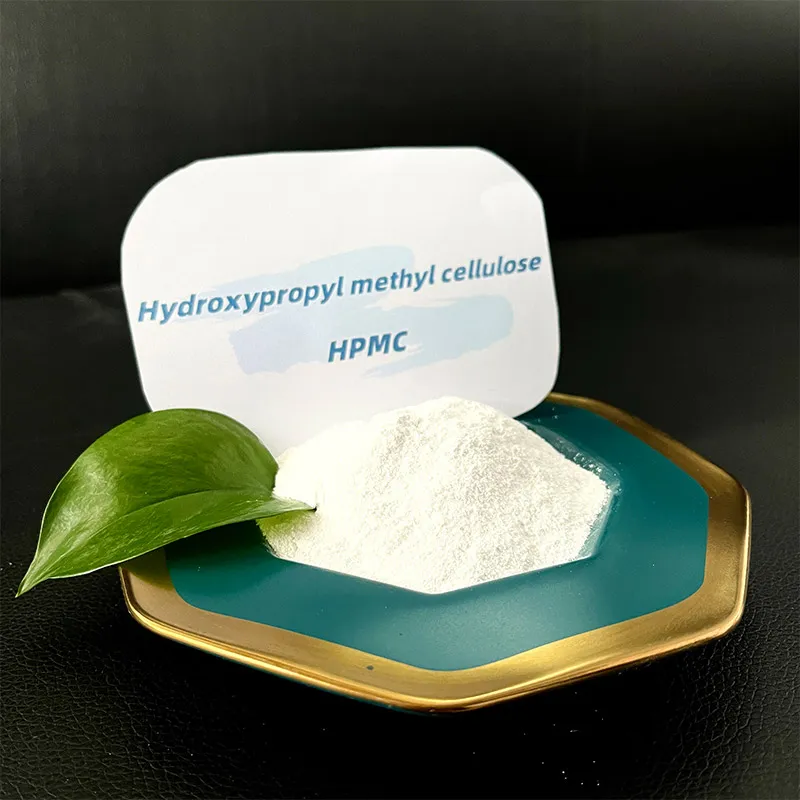



Hydroxypropyl methylcellulose (HPMC), a multifunctional polymer, serves as a key excipient in tablet formulations, playing a pivotal role in the pharmaceutical industry. Renowned for its versatile applications in tablet production, HPMC's functionalities extend to improving the physical and release characteristics of tablets, thereby enhancing the overall drug delivery system. Its frequent use arises from its non-toxic, non-allergenic properties, making it a trusted ingredient for oral delivery systems. HPMC is crucial as a binder, a film-coating agent, and a controlled release polymer. In the binding process, HPMC serves as an adhesive that holds the tablet ingredients together, ensuring structural integrity and consistency during manufacturing, transportation, and storage. Being water-soluble, HPMC easily hydrates and swells, forming a gel-like structure that aids in maintaining tablet cohesion. This characteristic dramatically minimizes the occurrence of tablet fragmentation or disintegration before it reaches the consumer, maintaining the dosing accuracy vital for therapeutic effectiveness. In the realm of film coating, HPMC provides tablets with a protective outer layer that inhibits moisture, oxygen, and light degradation—common factors that can affect the active pharmaceutical ingredients' (API) stability. The film forming capability of HPMC is instrumental in ensuring aesthetic appeal by smoothing the surface of the tablet, which can also facilitate branding through printing or distinct coloring. Additionally, the use of film coatings can assist in masking unpleasant taste and odor, further improving patient compliance. A more sophisticated application of HPMC is in controlling the release of APIs. The development of sustained-release or extended-release formulations allows a gradual release of the medication over time, which can be crucial for drugs requiring consistent blood concentration levels. HPMC achieves this by forming a gel barrier when exposed to gastrointestinal fluids, controlling the rate at which the medication is released. This controlled release mechanism provides substantial benefits such as reduced dosing frequency, improved patient adherence, and minimized side effects due to peak plasma spikes. hpmc used in tablets From an expertise perspective, the manipulation of HPMC’s molecular weight and substitution pattern allows pharmaceutical scientists to tailor its properties to specific formulation needs. This capability underscores HPMC's role in formulating both immediate and controlled-release dosage forms. Its compatibility with a wide range of active substances further validates its indispensable utility in drug formulation. Studies affirm HPMC's safety profile, with substantial documented evidence supporting its non-toxicity and tolerability, earning the confidence of regulatory bodies globally. Experts consistently endorse its use, given its minimal interaction with APIs and excipients, ensuring that drug integrity is preserved throughout the shelf life. This adds credence to HPMC's credibility and trustworthiness in pharmaceutical applications. Moreover, real-world experience attests to HPMC’s reliability . Pharmaceutical companies globally report high levels of satisfaction with its performance, notably in enhancing product stability and patient compliance. Consistent with evolving consumer demands and regulatory guidelines, HPMC continues to be at the forefront of innovation in tablet formulation technology. In conclusion, Hydroxypropyl methylcellulose remains an exemplary choice for tablet formulation due to its multifunctional attributes and unparalleled reliability. Its ability to adapt to diverse formulation needs reaffirms its status as a cornerstone of tablet technology, combining professional expertise, safety, and performance. Such features assure both manufacturers and consumers of its efficacy, safety, and continuation as a preferred excipient in tablet development.
- 40000tons

Production
- 20+years

Experience
- 5000+㎡

Acreage

-

يمكن أن يتساءل الكثيرون حول فعالية وقوة استخدام الغراء HPMC في مجالات البناء والتشييد. هذا المنتج ليس مجرد مادة لاصقة تقليدية؛ بل هو ابتكار حديث في عالم المواد اللاصقة، يرتكز على تجربة استخدام تتسم بالإبداع والجودة العالية. تجربة استخدام HPMC adhesive تعتمد بشكل كبير على تقديم حلول مبتكرة ومستدامة للمهندسين والمعماريين. إن استخدام الغراء HPMC يعزز من متانة البناء، حيث إنه يتميز بخصائص تجعله خيارًا مثاليًا للمشاريع التي تتطلب دقة في الأداء واستمرارية في الجودة. الأشخاص الذين عملوا مع HPMC adhesive وجدوا أنه يمتلك قدرة فائقة على التحمل في مختلف الظروف البيئية، مما يجعله مناسبًا لمجموعة واسعة من التطبيقات سواء في الأجواء الرطبة أو الجافة. الخبرة في العمل مع HPMC تتطلب فهمًا عميقًا لتركيبته الكيميائية التي تعتمد على السليلوز، المعروف بكونه مادة طبيعية بيولوجية تمامًا. هذه التركيبة تجعل من الغراء HPMC مادة صديقة للبيئة، حيث أنها لا تحتوي على أي مكونات سامة . بفضل هذه الخصائص، يتميز الغراء بقدرته على الربط الفعال للمواد المختلفة مثل البلاط، والرخام، وحتى الزجاج، دون ترك أي آثار ضارة على البيئة أو على صحة الإنسان. HPMC اللاصق من الناحية المهنية، لا شك أن HPMC adhesive يُنظر إليه كمادة رائدة بالمجال بسبب قدرته على تقليل الهوامش الخطأ أثناء الإنشاءات. المهندسون العرب الذين جربوا هذه المادة أكدوا على سهولة استخدامها وفعاليتها في الخلط مع مواد البناء الأخرى لخلق قوام متجانس يزيد من كفاءة العمل ويقلل من الوقت المستغرق لإنجاز المشاريع الكبيرة. أما بالنسبة للموثوقية، فإن منتجات HPMC تصدر دومًا عن شركات معترف بها في مجال البناء، حيث تخضع لاختبارات صارمة للتأكد من أنها تلبي أعلى معايير الجودة العالمية. يشيد المهنيون في هذا المجال بالدعم الفني الذي توفره الشركات المصنعة، والذي يتضمن إرشادات مفصلة وتوجيهات حول كيفية تحقيق أقصى استفادة من الغراء HPMC في المشاريع المختلفة. في الختام، يمثل غراء HPMC adhesive حقبة جديدة في عالم البناء، جامعاً بين الكفاءة والجودة، والتوافق البيئي. إن موثوقيته المهنية ومزاياه المتعددة جعلته المنتج الأكثر رواجًا بين المختصين في القطاعات الإنشائية، مما يعزز من موقعه كخيار أول لمن يسعون لإيجاد حلول لاصقة تعتمد على التكنولوجيا المتقدمة والابتكار. إذا كنت تبحث عن مادة لاصقة تجمع بين الخبرة المتقدمة والثقة المهنية في آن واحد، فإن HPMC adhesive هو بالتأكيد الخيار الذي يجب أن تفكر فيه.
-
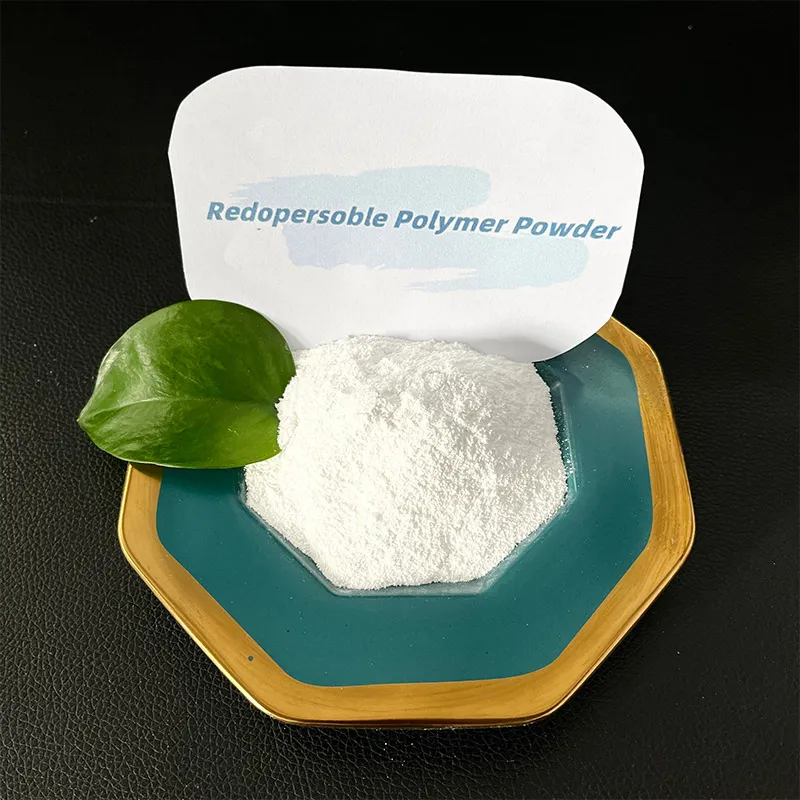
Hydroxypropyl methylcellulose (HPMC) is an exceptional multifunctional ingredient that finds various applications in the cosmetics industry . Renowned for its versatility, HPMC serves as a thickening agent, emulsifier, film former, and stabilizer, making it indispensable in the formulation of numerous beauty and personal care products. One of the most common uses of HPMC in cosmetics is as a thickening agent. Its unique ability to increase viscosity without impacting the appearance of products ensures a smooth application and uniform texture, which is crucial in products like creams, lotions, and gels. For instance, in facial moisturizers, HPMC adds a silky, luxurious feel, enhancing consumer experience while providing optimum hydration through a controlled release mechanism that ensures prolonged moisture retention on the skin. When it comes to emulsification, HPMC ensures that oil and water-based ingredients blend seamlessly in products such as foundations and sunscreens. This results in a stable emulsion that not only looks aesthetically pleasing but also enhances product performance by preventing the separation of ingredients over time. Customers can thus rely on a consistent product experience with every use, reflecting the brand's commitment to quality. HPMC's role as a film former is especially valuable in hair care products like styling sprays and gels. By forming a thin, invisible layer over the hair, it provides a protective barrier that shields the hair from environmental aggressors while maintaining style longevity. Consumers seeking long-lasting hold notice the difference that HPMC brings, as it effectively manages frizz without the undesirable crunchy or sticky residue commonly associated with some styling products. hydroxypropyl methylcellulose uses in cosmetics The stabilizing properties of HPMC are equally beneficial in maintaining the efficacy and shelf-life of cosmetics. It prevents ingredient degradation by acting as a preservative adjunct, thereby protecting sensitive active ingredients interspersed in formulations such as anti-aging serums and eye creams. This stabilization not only safeguards the product's effectiveness but also supports streamlined manufacturing processes, reducing the need for additional preservatives that could disrupt skin compatibility. Incorporating HPMC in formulation speaks to a brand’s expertise in developing advanced cosmetic solutions. Its multifunctional nature aligns perfectly with modern consumer demands for high-quality, performance-driven beauty products. Laboratories involved in product design value HPMC for its non-irritating, biocompatible nature, which minimizes adverse reactions, making products suitable even for those with sensitive skin. As an authoritative choice for cosmetic formulators seeking reliable and innovative solutions, Hydroxypropyl methylcellulose continues to be integral in shaping the future of cosmetics. Its adaptability and functionality firmly position it as an ingredient that not only meets but exceeds consumer expectations, ensuring that brands leveraging its qualities maintain a competitive edge in the ever-evolving beauty landscape.
advantages
-

200000 Viscosities
Excellent product
We can produce pure products up to 200,000 viscosities
-

40000 tons
High yield
We don’t stop production all year round, and the annual output can reach 40,000 tons
-

24 hours
Quality service
We provide 24-hours online reception service, welcome to consult at any time
———— Inquiry Form
Schedule A services


-
 penghambat_gipsum
Oct . 25, 2025
In the construction industry, particularly in regions with extreme weather conditions, freeze-thaw r -
 usos_de_la_hidroxipropilmetilcelulosa
Oct . 25, 2025
The construction industry constantly evolves to meet demands for better performance, enhanced effici -
 fibre_natural_and_synthetic
Oct . 25, 2025
Hydroxypropyl methyl cellulose (HPMC) is a synthetic polymer used across varied industries, includin


